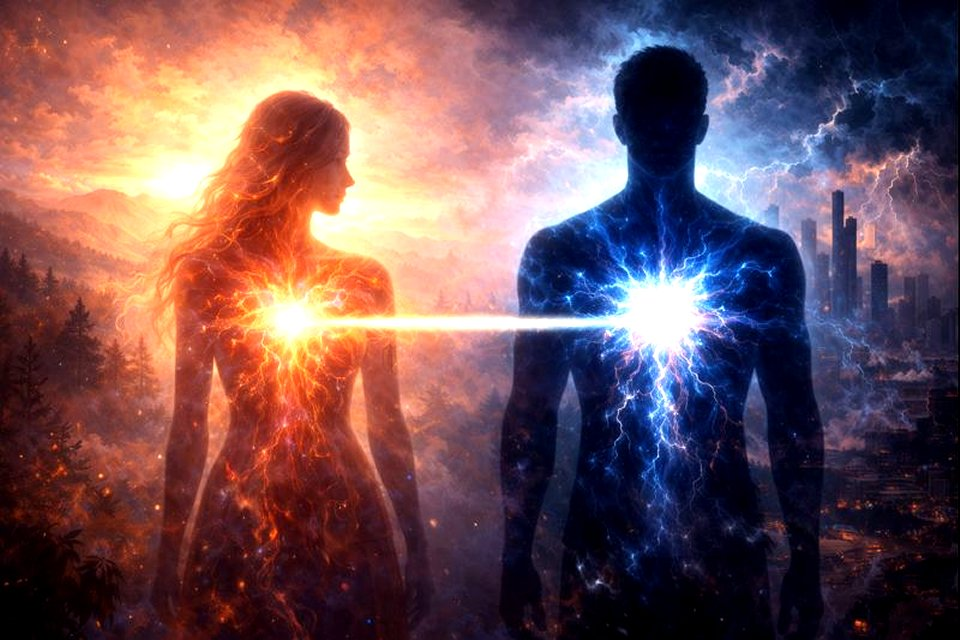
Before I go any further, I want to be very clear about the language I am using. When I use the words feminized and masculinized, I am not speaking about gender in the way we usually think of men and women. I am speaking about energy—inner and outer expressions that exist within all of us. We each carry a chemical and energetic balance that includes both masculine and feminine qualities, regardless of the body we were born into. This distinction matters, because without it, these words can easily be misunderstood. Some men naturally express a softer, more sensitive, gentle, emotional, or “watery” energy. These men are often deeply intuitive, compassionate, and emotionally available. In energetic terms, they might be described as more feminized, though that does not diminish their strength or integrity in any way. In fact, such a man may be a perfect match for a woman who feels supported, seen, and safe in the presence of those qualities.
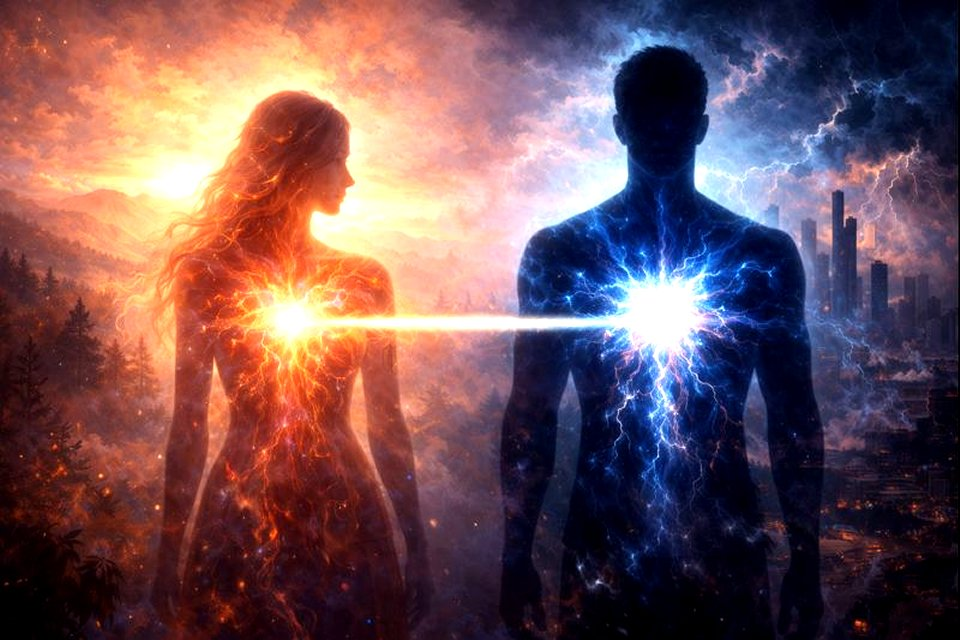
Likewise, some women express a more assertive, bold, decisive energy. They may approach life with confidence, leadership, firmness, and a strong forward momentum. This masculinized energy does not make a woman unkind or insensitive—it simply means her way of moving through the world is more outward, directive, and action-oriented. These women often lead naturally and may feel most aligned when their strength is respected rather than softened or subdued.
Neither expression is wrong. Neither is superior. The challenge arises when energy becomes distorted, overemphasized, or suppressed—especially on a collective level.
Over the last century, the world experienced an intense rise in over-masculinized energy. This energy emphasized dominance, control, productivity at all costs, competition, aggression, and emotional suppression. It rewarded hardness and dismissed sensitivity as weakness. Media, institutions, and power structures amplified this pattern repeatedly, until it became normalized—almost invisible to us because we were immersed in it.
As we moved into the early 2000s, something began to shift.
A feminized energy started to emerge more strongly within the population, not as a trend, but as a natural reaction to imbalance. This energy carried qualities of sensitivity, empathy, emotional awareness, intuition, and relational connection. It began to surface within both women and men, often quietly and sometimes painfully, as people became more aware of their inner lives and subtle perceptions.
Many of us living now are caught in the crosshairs of this transition.
What we are experiencing is not chaos for its own sake—it is the discomfort of rebalancing. The feminine energy entering collective awareness has not yet fully matured, and when undeveloped, it can feel overwhelming, confusing, or destabilizing. At the same time, the old over-masculinized systems have not yet released their grip. The overlap of these two energies can feel tense, polarized, and emotionally charged.
We see this most clearly in media and power structures that continue to push exaggerated, distorted forms of masculinity—hard, aggressive, cruel, and sometimes even beast-like in expression. This display has gradually infiltrated the unconscious behavior of the population, shaping reactions, beliefs, and interactions in subtle ways. Over time, it has dulled compassion and normalized harshness.
Yet something else is happening now.
More people are waking up. They are sensing the lack of heart, the absence of genuine care, and the consequences of imbalance. They are questioning the cruelty that has been normalized. They are remembering something softer, truer, and more humane within themselves.
Because of this growing awareness—and what I would call amor, or love—the old world that was built on imbalance is beginning to crack open.
Not collapse all at once, but crack.
The existing systems are still in place, so this is not yet a full transformation. Birth takes time. What we are witnessing now is a laboring process—the slow, sometimes uncomfortable emergence of a new way of being. A world that integrates both energies in a healthier balance, where strength includes compassion, and sensitivity includes resilience.
This entire century has been shaped by an intentional push toward masculinization. Now, the counterbalance has arrived. The invitation before us is not to reject one energy in favor of the other, but to integrate both consciously, within ourselves and within the collective.
And perhaps, in doing so, we may finally remember what it means to live with both power and heart.
Leave a Reply